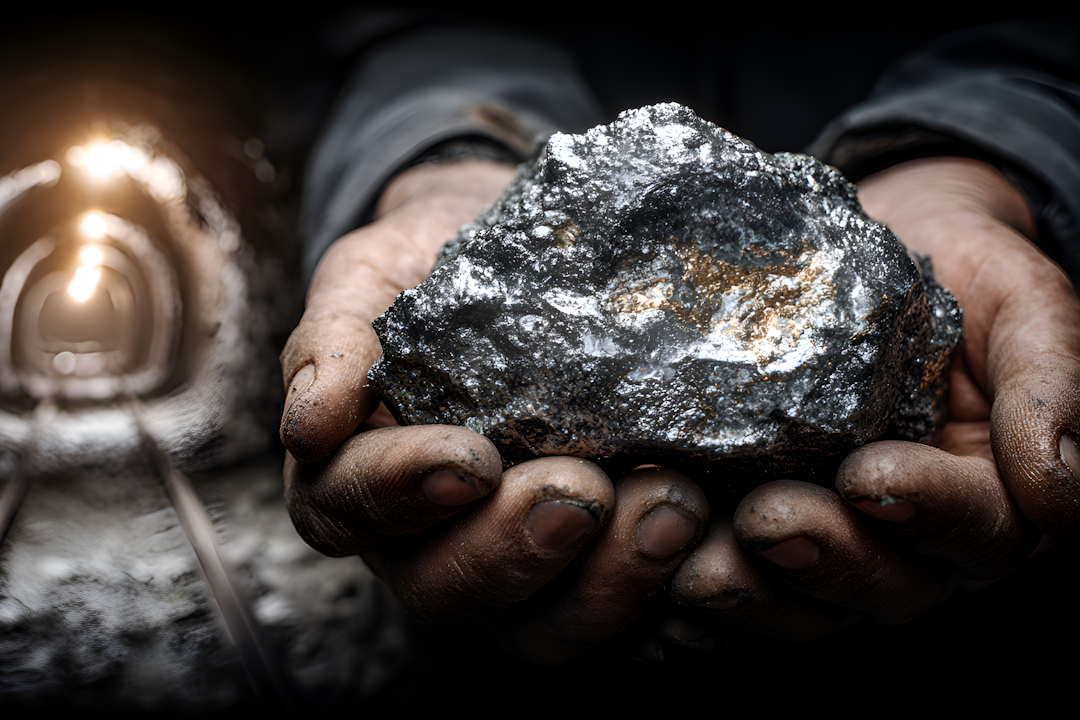
Every electric vehicle, wind turbine, semiconductor, and advanced weapons system depends on a group of minerals that most people have never heard of: lithium, cobalt, rare earth elements, gallium, and dozens of others that occupy a strategic position disproportionate to their small share of global mining output. The concentration of critical mineral supply chains in a small number of countries has turned mining and processing into a matter of national industrial policy — and created an investment theme that spans mining, refining, recycling, and materials science.
What Makes a Mineral Critical
A mineral earns the designation critical not because it is scarce in the Earth’s crust — many critical minerals are relatively abundant geologically — but because of the combination of its essential role in strategic technologies and the concentration risk in its supply chain. Lithium, essential for the batteries powering electric vehicles and grid storage, and rare earth elements, essential for the permanent magnets in electric motors and wind turbine generators, are the most widely discussed examples, but the list extends to gallium and germanium for semiconductors, cobalt and nickel for battery chemistry, and platinum group metals for catalysis and fuel cells.
The supply chain concentration risk is the more decisive factor in criticality assessments than raw geological scarcity. A mineral that exists in moderate abundance globally but is processed almost exclusively in one country represents a significant supply chain risk, because processing capacity — not raw ore reserves — is often the actual constraint on supply. Rare earth elements are the clearest example: while deposits exist in multiple countries, the specialized processing and separation capacity required to convert raw ore into usable materials is heavily concentrated in a single country, creating a chokepoint far more consequential than the distribution of raw reserves would suggest.
The strategic response to this concentration risk has become a major theme in industrial policy across multiple governments. The United States, European Union, Japan, and other economies have launched initiatives to diversify critical mineral supply chains, including funding for domestic mining and processing capacity, strategic stockpiling programs, and trade agreements designed to create alternative supply relationships outside the currently dominant processing centers.
The Processing Bottleneck
Mining raw ore is only the first step in creating usable critical mineral materials. Converting raw ore into battery-grade lithium compounds, separated rare earth oxides, or refined cobalt requires specialized chemical processing facilities that are capital intensive, technically complex, and often environmentally challenging to permit and operate. This processing step — rather than mining itself — has become the more significant bottleneck and the more concentrated point in most critical mineral supply chains.
Building new processing capacity outside the currently dominant centers faces genuine economic and technical challenges. The specialized expertise required for rare earth separation chemistry, for example, has been concentrated in a small number of facilities for decades, and replicating that expertise and process efficiency in new locations requires substantial investment and time. Environmental permitting for processing facilities, which often involve waste streams requiring careful management, adds further complexity to efforts to diversify processing capacity.
Despite these challenges, meaningful investment in alternative processing capacity is underway, supported by government funding, offtake agreements with technology and automotive companies seeking supply chain security, and rising prices for processed materials that improve the economics of new facility development. The companies successfully building processing capacity outside the currently dominant centers occupy a strategically valuable position, benefiting from both market demand and policy support.
Recycling as a Supply Source
Battery recycling has emerged as an increasingly important complement to primary mining for critical mineral supply, particularly for the metals used in lithium-ion batteries. As the first generation of electric vehicles reaches end of life and manufacturing scrap accumulates from growing battery production, the volume of recyclable battery material available for processing is increasing substantially.
The economics of battery recycling depend on the value of the recovered materials relative to the cost of collection, processing, and refining. High-value materials like cobalt and nickel have historically made recycling economically viable even without policy support, while lithium recovery has required either higher lithium prices or process innovations to become consistently profitable. As battery chemistries evolve and recycling processes improve, the economics of recovering an increasing share of battery material value continue to improve.
Recycled critical minerals offer a supply chain advantage beyond simple cost economics: domestic recycling infrastructure provides a supply source that is not subject to the same geopolitical concentration risk as primary mining and processing. As the installed base of electric vehicles and grid storage batteries grows, recycling is expected to become an increasingly significant contributor to overall critical mineral supply, reducing but not eliminating dependence on primary mining and processing.
Investing in Critical Minerals
Critical minerals investing spans the full value chain from mining through processing, recycling, and the materials science that determines how efficiently these minerals are used in end products. Mining companies with reserves of critical minerals in politically stable jurisdictions command a strategic premium, reflecting both the value of their resources and the reduced geopolitical risk relative to production concentrated in less stable regions.
Processing and refining companies occupy the more technically differentiated and potentially more defensible position in the value chain, given the specialized expertise and capital investment required to build competitive processing capacity. Companies successfully establishing processing capability outside the currently dominant centers benefit from strategic scarcity value that is likely to persist as long as supply chain diversification remains a policy priority across multiple governments.
Materials efficiency companies — those developing technology to reduce the quantity of critical minerals required per unit of output, such as reduced rare earth content in electric motors or alternative battery chemistries that use less cobalt — represent a different investment angle on the critical minerals theme, benefiting from supply chain constraints by reducing dependence on the constrained materials rather than by supplying them directly.
Conclusion
Critical minerals occupy a strategic position in the technology economy that far exceeds their visibility to most investors and consumers. The concentration of processing capacity in a small number of locations has turned supply chain security into a matter of national policy and created durable investment opportunities across mining, processing, recycling, and materials efficiency. For investors, understanding the specific bottlenecks in each critical mineral supply chain — mining versus processing, primary versus recycled supply — is essential to identifying where the most defensible investment positions exist.
Key Takeaways
- Critical mineral risk is driven by supply chain concentration, particularly in processing capacity, more than by raw geological scarcity.
- Processing and refining — not mining — is often the more significant bottleneck and the more strategically valuable position in the value chain.
- Battery recycling is becoming an increasingly important complementary supply source, reducing dependence on primary mining and processing.
- Materials efficiency companies that reduce critical mineral requirements represent an alternative way to invest in supply chain constraint themes.
Editorial Disclosure
This article is produced by NextGenTechStocks.com for informational and educational purposes only. NextGenTechStocks.com has not received any compensation from any company, management team, investor relations representative, or any third party in connection with the publication of this article. No staff member or principal of NextGenTechStocks.com holds a position in any security mentioned in this article at the time of publication. The information presented is based on publicly available sources and is intended to provide general market education only. Investing in technology stocks carries significant risk, including the potential loss of capital. Readers are encouraged to conduct their own due diligence and consult a qualified financial advisor before making any investment decisions. For more information, please see our full Disclaimer at NextGenTechStocks.com.