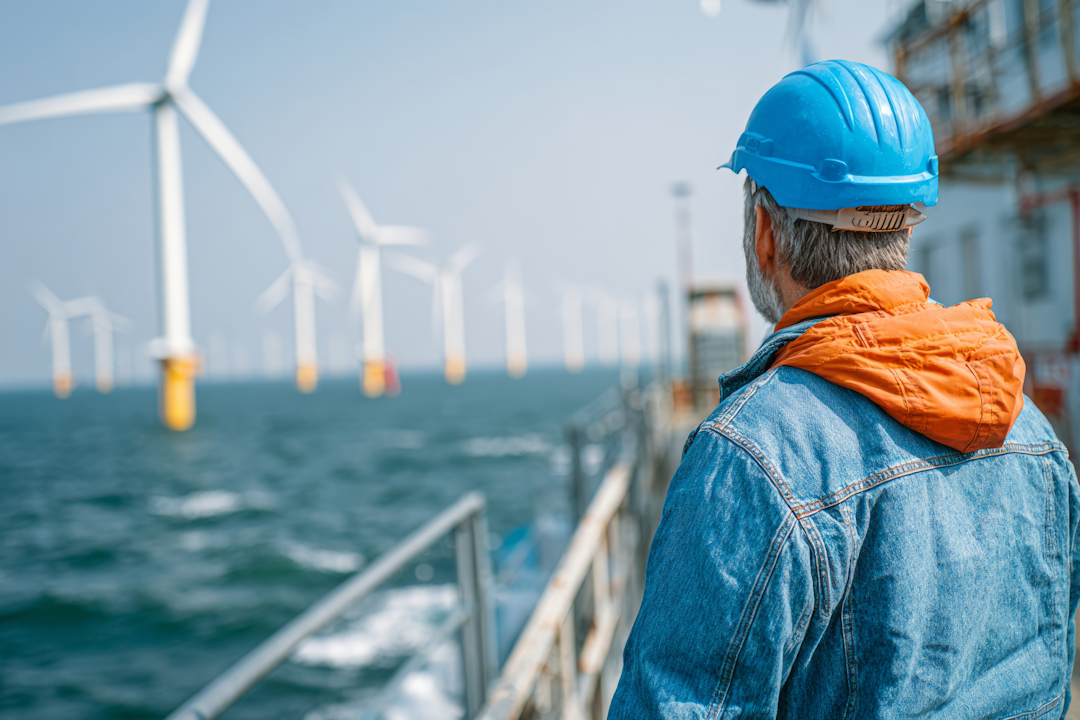
The ocean holds one of the largest untapped clean energy resources on the planet: stronger, more consistent winds than almost any onshore location can offer, across vast expanses of open water near the coastal population centers that consume the most electricity. Offshore wind has moved from a niche, heavily subsidized technology to a mainstream component of national decarbonization strategies across multiple major economies, driven by turbine technology improvements and the emergence of floating platforms that unlock deeper water sites previously considered inaccessible.
Why Offshore Wind Resources Are So Attractive
Wind speeds over open ocean water are typically higher and more consistent than over land, since ocean surfaces lack the terrain features, buildings, and vegetation that create turbulence and reduce wind speed near the ground in onshore locations. This higher, steadier wind resource translates directly into higher capacity factors for offshore wind turbines compared to their onshore counterparts, meaning offshore turbines generate electricity closer to their maximum rated output for a larger share of total operating hours.
The absence of land-based turbine size constraints has allowed offshore wind turbine designs to grow dramatically larger than onshore turbines, with modern offshore turbines featuring rotor diameters exceeding 200 meters and individual turbine capacities multiple times larger than typical onshore installations. This scale advantage improves the economics of offshore wind farms by generating more electricity per turbine foundation and per grid connection point, partially offsetting the higher construction and installation costs that offshore locations impose relative to onshore wind development.
Proximity to coastal population centers, where a substantial share of global electricity demand is concentrated, represents a further advantage of offshore wind relative to onshore renewable resources that are often located far from demand centers and require extensive transmission infrastructure investment to deliver power to where it is consumed. This proximity can reduce transmission infrastructure requirements and the associated cost and permitting complexity discussed elsewhere in this publication in the context of grid infrastructure development.
Fixed-Bottom vs Floating Turbine Technology
Fixed-bottom offshore wind turbines, anchored directly to the seabed using foundations similar in concept to those used in offshore oil and gas platforms, represent the mature, commercially proven technology that has driven offshore wind development to date. This foundation approach is economically viable primarily in shallower waters, typically less than sixty meters in depth, which has concentrated fixed-bottom offshore wind development in regions with extensive shallow continental shelf areas near population centers.
Floating offshore wind technology, which anchors turbines to floating platforms moored to the seabed rather than fixed foundations, unlocks the much larger wind resource available in deeper waters where fixed-bottom foundations become economically or technically impractical. This capability is particularly significant for coastal regions with steep continental shelf drop-offs, where substantial wind resource exists relatively close to shore but in water too deep for conventional fixed-bottom development.
Floating offshore wind remains at an earlier stage of commercial maturity than fixed-bottom technology, with a smaller number of demonstration and early commercial-scale projects providing the operational data needed to validate long-term reliability and refine the cost estimates for full commercial-scale deployment. Multiple floating platform design approaches are competing for commercial adoption, and the technology’s cost trajectory will depend significantly on which designs achieve the manufacturing scale and standardization needed to drive the kind of cost reduction that fixed-bottom offshore wind has already achieved over its longer commercial history.
Supply Chain and Installation Infrastructure
Offshore wind development requires a highly specialized supply chain and installation infrastructure distinct from onshore wind and most other renewable energy technologies. Specialized vessels capable of transporting and installing massive turbine components in open ocean conditions represent a significant capital investment and a persistent constraint on the pace of offshore wind development in regions where this specialized vessel capacity has not yet scaled to match project development ambitions.
Port infrastructure specifically configured for offshore wind component manufacturing, staging, and vessel loading represents a further specialized infrastructure requirement, given the exceptional size and weight of modern offshore turbine components including blades exceeding 100 meters in length and towers and foundation components weighing hundreds of tons. Regions investing in this specialized port infrastructure are positioning themselves to capture a larger share of the offshore wind supply chain value beyond simply hosting wind farm installations.
The offshore wind supply chain has historically been concentrated among a relatively small number of established turbine manufacturers and specialized component suppliers, reflecting the substantial engineering expertise and manufacturing scale required to produce reliable equipment for the demanding offshore marine environment. Government policy in several major markets has increasingly emphasized domestic supply chain development for offshore wind, creating both opportunity and complexity for companies navigating the intersection of global supply chain economics and domestic content requirements.
Investing in Offshore Wind
Offshore wind project developers and operators offer investment characteristics similar to other renewable energy infrastructure assets discussed elsewhere in this publication: substantial upfront capital investment followed by long-duration, relatively predictable revenue from long-term power purchase agreements or regulated pricing mechanisms, with project-level risk concentrated in the construction phase before turbines are generating revenue.
Turbine manufacturers and specialized component suppliers represent a more cyclical, equipment-oriented investment exposure to offshore wind growth, with revenue tied to the pace of new project development and financial performance sensitive to the same raw material cost and supply chain dynamics that affect industrial equipment manufacturers more broadly. The sector has experienced periods of significant margin pressure when raw material costs rose faster than long-term supply contracts could accommodate, underscoring the importance of evaluating contract structure and cost pass-through mechanisms when assessing individual manufacturer investment cases.
Specialized marine infrastructure and installation service providers — vessel operators, port infrastructure companies, and offshore construction specialists — represent a complementary investment angle that benefits from offshore wind’s structural growth without the technology-specific risk concentrated in turbine manufacturers, since this infrastructure and service capacity is generally applicable across multiple offshore wind projects and, in some cases, across other offshore energy infrastructure sectors including offshore oil and gas.
Conclusion
Offshore wind offers one of the most attractive clean energy resource profiles available, combining strong, consistent wind speeds with proximity to major coastal population centers. The maturation of fixed-bottom technology and the emerging commercial development of floating platforms are together expanding the geographic and technical scope of resources the industry can access. For investors, offshore wind offers a range of exposure from infrastructure-like project ownership to more cyclical equipment manufacturing and specialized marine services, each carrying distinct risk and return characteristics.
Key Takeaways
- Offshore wind resources offer higher, more consistent wind speeds and larger turbine scale advantages compared to onshore wind development.
- Floating turbine platforms are unlocking deeper-water wind resources previously inaccessible to fixed-bottom foundation technology.
- Specialized installation vessels and port infrastructure represent persistent supply chain constraints on the pace of offshore wind development.
- Investment exposure spans infrastructure-like project ownership, cyclical turbine manufacturing, and specialized marine service providers.
Editorial Disclosure
This article is produced by NextGenTechStocks.com for informational and educational purposes only. NextGenTechStocks.com has not received any compensation from any company, management team, investor relations representative, or any third party in connection with the publication of this article. No staff member or principal of NextGenTechStocks.com holds a position in any security mentioned in this article at the time of publication. The information presented is based on publicly available sources and is intended to provide general market education only. Investing in technology stocks carries significant risk, including the potential loss of capital. Readers are encouraged to conduct their own due diligence and consult a qualified financial advisor before making any investment decisions. For more information, please see our full Disclaimer at NextGenTechStocks.com.