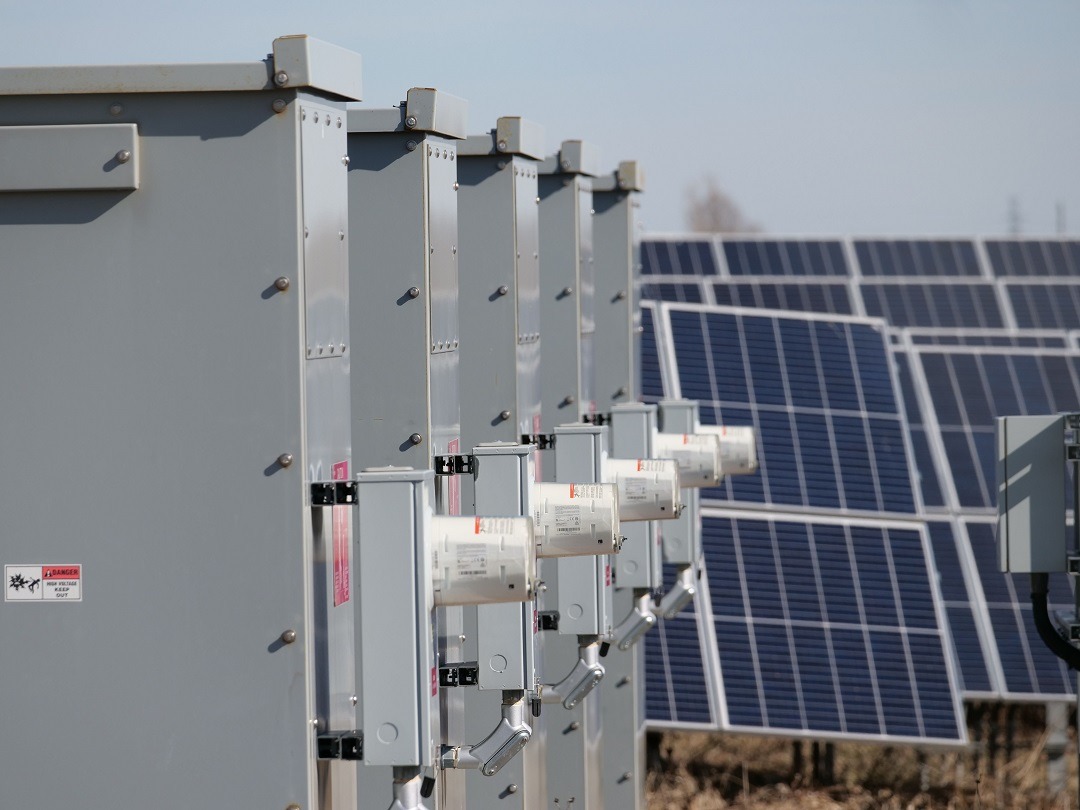
Aegis Critical Energy Defence Corp. (CSE: QESS) has secured its second U.S. order for the company’s PWR Flex 261Q energy-storage system, doubling the number of units committed to American customers.
U.S. channel partner GGV Energy ordered 14 units on behalf of an unnamed private infrastructure-support group, according to Aegis’s November 3 announcement. The order is valued at approximately C$1.35 million and represents combined storage capacity of roughly 3.65 megawatt-hours.
Delivery is scheduled for the first quarter of 2027 across multiple U.S. states. Aegis said the systems will provide backup power and peak shaving, which allows operators to reduce electricity use during periods of higher demand.
The order is twice the size of Aegis’s first U.S. order, announced in May 2026. Together, the two transactions represent 21 units with approximately 5.5 megawatt-hours of capacity.
“This is the order that establishes Aegis in the United States,” company representative Ramtin Rasoulinezhad said.
The PWR Flex 261Q is an outdoor-rated integrated energy-storage cabinet manufactured by SEETEL New Energy in Taiwan. It combines battery storage with an energy-management system designed by Aegis and a quantum-based random-number generator intended to protect the system’s control and data communications.
Aegis said the cabinets have been adapted for demanding industrial applications, including oil and gas, defence and mining environments. The systems include quick-connect components intended to reduce the site work required before operation.
The release did not identify the end customer or disclose payment schedules, deposits, expected gross margins or cancellation provisions. Delivery remains several months away, meaning the announced order value should not be treated as revenue already recognized by Aegis.
The company’s audited annual financial statements reported C$2.64 million in cash and a C$2.74 million net loss at June 30, 2026. Aegis had not generated operating revenue during the fiscal year, and its auditor identified a material uncertainty related to the company’s ability to continue as a going concern.
Aegis subsequently reported in September that it had no outstanding share-purchase warrants and estimated that its available cash could support current operations and its marine-power program for more than 30 months at the prevailing spending rate. That runway remains a management estimate and depends on future spending and operating requirements.
Upcoming Catalysts
The primary near-term catalyst is delivery of the 14 systems during the first quarter of 2027. Future disclosures may provide information about installation, commissioning, customer acceptance and related revenue recognition.
Additional developments could include further orders through GGV Energy and operating data from the company’s U.S. reference sites. Investors may also watch whether Aegis converts its developing order book into recurring revenue and improves its operating-loss profile.
Sources
- Aegis secures second U.S. energy-storage order
- Aegis audited annual financial statements and MD&A
- Aegis reports estimated cash runway and warrant position
- Aegis profile on the Canadian Securities Exchange
Editorial Disclosure
This article is based entirely on publicly available information, including company announcements and regulatory filings. Securities discussed include Aegis Critical Energy Defence Corp. (CSE: QESS) (OTCQB: QESSF) (FSE: JG6). NextGenTechStocks.com has not received compensation from Aegis, its management, investor-relations representatives or any third party for this specific article. NextGenTechStocks.com may have current or past paid business relationships with other companies, which do not influence this article. No staff member or principal of NextGenTechStocks.com holds a position in any security mentioned at the time of publication.
The order information is current as of November 3, 2026, while financial information is current as of June 30, 2026. Company-reported claims have not been independently verified. Risks include delivery and commissioning requirements, reliance on manufacturing and channel partners, an unnamed end customer, uncertain margins and revenue-recognition timing, operating losses, commercialization risk and the material going-concern uncertainty identified by the company’s auditor.
Small-cap technology investments are speculative and carry significant risk, including the potential total loss of capital. This coverage is provided solely for informational and educational purposes. Nothing in this article constitutes financial, investment or professional advice. Readers should conduct their own due diligence and consult a qualified financial adviser before making investment decisions. Read the full DISCLAIMER.